
Social media optimization (SMO) means improving every part of your social presence, your posts, profile, captions, visuals, and timing, so that more people discover your brand organically, and social media optimization tools help with that. Instead of relying on paid ads, SMO focuses on building visibility, trust, and engagement through consistent, high-quality content. The main goal of SMO is to turn your social channels into discovery engines.
That means optimizing your bio, hashtags, post frequency, and engagement style so your audience interacts naturally with your brand. When your pages are optimized, algorithms on platforms like Instagram, LinkedIn, and Facebook recognize your content as valuable and push it to a wider audience, helping you achieve organic social media growth.
Using the right SMO tools can make this process smoother and more efficient. Platforms like Canva, Buffer, and Google Analytics help you design better visuals, schedule posts at the best times, and track performance across all your accounts in one dashboard. Canva helps you create scroll-stopping designs that match your brand identity. Buffer ensures your posts go live at the right time, even when you’re offline. And Google Analytics connects your social activity with your website metrics, so you can see which posts bring real visitors and conversions.
Together, these tools allow you to manage content creation, profile optimization, and social media performance tracking seamlessly. Over time, this builds consistent engagement, strengthens brand awareness, and improves your reach without spending on ads.
In short, social media optimization is the art and science of getting your brand seen, shared, and remembered online — organically.
Contents
- 1 Introduction: Why Social Media Optimization Matters in 2025
- 2 What Is Social Media Optimization (SMO)?
- 3 SMO vs. Social Media Marketing (SMM)
- 4 Why Free Social Media Optimization Tools (SMO) Matter for Small Businesses
- 5 The list of Social Media Optimization Tools:
- 5.1 1. Buffer – Schedule, Optimize, and Stay Consistent
- 5.2 2. Canva – Design Eye-Catching Posts in Minutes
- 5.3 3. Metricool – Plan and Analyze Performance
- 5.4 4. Later – Visual Planning for Instagram and Beyond
- 5.5 5. Hootsuite Free Plan – Monitor and Engage From One Place
- 5.6 6. SEMrush Social Tracker – Your Competitive Listening Ally
- 5.7 7. SocialPilot – Automate Without Losing Personality
- 5.8 8. Zoho Social – Analytics for the Data-Driven Freelancer
- 5.9 9. Pallyy – Visual Planning and Hashtag Research Simplified
- 5.10 10. Bitly – Trackable Short Links for Smarter Sharing
- 5.11 11. Google Analytics + UTM Tags – The Free Power Duo
- 6 How to Combine These 11 Tools for Maximum Impact
- 7 Expert Tips to Master Social Media Optimization in 2025
- 8 Conclusion — Turn Free Tools into Lasting Growth
- 9 FAQs — Social Media Optimization Tools Explained
- 9.1 1. What is social media optimization and why is it important?
- 9.2 2. How do social media optimization tools help businesses?
- 9.3 3. Which is the best free social media optimization tool for beginners?
- 9.4 4. Is social media optimization different from social media marketing?
- 9.5 5. How often should I use SMO tools?
- 9.6 6. Can I do SMO for free?
- 9.7 7. What metrics should I track for better optimization?
- 9.8 8. Does SMO help SEO too?
- 10 Social Media marketing services in Coimbatore
- 11 Other recommendations
Introduction: Why Social Media Optimization Matters in 2025
Social media optimization (SMO) means improving every element of your online presence, your posts, profile, visuals, captions, and publishing schedule to help more people discover your brand naturally. Rather than spending heavily on paid ads, SMO helps businesses grow through authentic engagement, valuable content, and strategic consistency.
At its core, social media optimization is about making your brand easier to find, follow, and connect with. It ensures your profiles are fully optimized with relevant keywords, clear CTAs, and compelling visuals. You refine your bio, hashtags, posting frequency, and tone so they align with what your audience actually searches for and responds to. When done correctly, social algorithms on platforms like Instagram, Facebook, LinkedIn, and X (Twitter) begin to favor your content, pushing it toward users most likely to engage.
This process leads to steady organic social media growth, better brand visibility, and higher audience retention. Instead of chasing followers, you build a loyal community that interacts because they genuinely find your content useful or inspiring.
To make this easier, marketers use a mix of social media optimization tools. Popular platforms like Canva, Buffer, and Google Analytics simplify every step of your workflow. Canva lets you design branded, scroll-stopping visuals optimized for each platform’s dimensions. Buffer automates your posting schedule so your content reaches peak engagement times without manual effort. Google Analytics, on the other hand, links your social performance with your website traffic, helping you understand which posts actually convert followers into visitors or customers.
Together, these tools streamline content optimization, social media management, and performance analytics, giving you data-driven insights into what works best for your audience. By using them consistently, you can identify top-performing content types, measure engagement metrics, and refine your overall social media strategy over time.
Ultimately, social media optimization is the foundation of a sustainable online growth strategy. It blends creativity with data, helping brands boost online visibility, nurture audience relationships, and scale their reach through organic marketing.
What Is Social Media Optimization (SMO)?
Think of social media optimization (SMO) as the social version of search engine optimization (SEO). The ultimate goal is the same, which is visibility, but the way you achieve it is different. Instead of ranking web pages, you’re optimizing your social profiles, posts, hashtags, and visuals so people can find and engage with your brand naturally.
When your social presence is properly optimized, your content becomes easier to discover across platforms. It starts showing up in search bars, explore pages, and suggested feeds leading to steady, organic engagement without paying for ads.
The key idea: every post, story, or reel you share contributes to your brand’s digital footprint. By refining how you present and time that content, you help algorithms understand what your brand stands for and who it serves best. Over time, that translates into stronger visibility and higher trust.
Core Goals of Social Media Optimization (SMO)
- Build stronger brand awareness: Consistent design, tone, and messaging make your brand recognizable across multiple channels.
- Increase profile visits and link clicks: Strategic CTAs and link placement drive users from your social pages to your website, blog, or online store.
- Keep a consistent posting rhythm: Regular, well-timed content tells both users and algorithms that your page is active and worth promoting.
- Encourage real interactions: Aim for genuine likes, saves, comments, and shares instead of vanity metrics. These signals boost post reach organically.
- Drive traffic to your website or store: Every optimized post should connect your audience back to a meaningful action, which is reading, subscribing, or purchasing.
When your profiles stay active, clear, and helpful, both audiences and algorithms view you as credible. That credibility builds over time, helping your posts rank better in search results and your brand appear more frequently in suggested content feeds.
In essence, social media optimization bridges creativity and discoverability. It’s how small businesses, startups, and freelancers expand their social reach, strengthen brand reputation, and convert followers into loyal customers through strategic, organic marketing.
SMO vs. Social Media Marketing (SMM)

“social media optimization”
| Aspect | Social Media Optimization | Social Media Marketing |
|---|---|---|
| Focus | Improving organic reach and engagement | Running paid ad campaigns |
| Cost | Mostly free | Requires ad budget |
| Goal | Long-term community growth | Quick conversions or sales |
| Example | Scheduling consistent posts | Launching a sponsored ad |
SMO builds a foundation that lasts. Ads stop when budgets end, but optimized content keeps performing over time.
Why Free Social Media Optimization Tools (SMO) Matter for Small Businesses
Small teams often juggle many tasks, so using free SMO tools makes it easier to:
- Plan posts ahead of time
- Keep design quality high
- Track what’s working
- Save hours every week
With the right set of social media optimization tools, even a small local business or a brand can compete with big companies online. They provide automation, insights, and design help without hurting your budget.
The list of Social Media Optimization Tools:
Here’s a list of the most effective social media optimization tools to help improve your online presence. Whether you’re a beginner or an experienced marketer, these tools make social media optimization easier by handling design, scheduling, and analytics in one place. Each tool supports organic growth by helping you post consistently, track performance, and engage with your audience effectively.
This curated list covers everything you need to grow smarter, from visuals to insights and helps you build a stronger, more visible brand online.
1. Buffer – Schedule, Optimize, and Stay Consistent
Buffer is one of the oldest and most trusted social media optimization tools. It helps you post consistently across all networks without the stress of manual uploads. With its free plan, you can link up to three accounts and schedule ten posts per profile.
Why Buffer Matters for Social Media Optimization (SMO)?
- Keeps your posting calendar steady
- Finds the best times for engagement
- Measures post reach and click-throughs
- Simplifies teamwork approvals
Smart tip: Start with one platform like LinkedIn or Instagram, and study Buffer’s analytics tab each week. Repeat the formats that perform best.
Example use: A small bakery in Coimbatore schedules daily reels and menu photos at lunchtime using Buffer. Over time, regular posting improved reach by 40 %.
2. Canva – Design Eye-Catching Posts in Minutes
Canva turns complex design work into drag-and-drop simplicity. Even with its free plan, you can create beautiful images, short videos, and stories ready for upload.
Top Features
- Thousands of ready-made templates
- Built-in fonts, icons, and stock photos
- Magic Resize for all social platforms
- Free Brand Kit for color and logo consistency
Pro tip: Save three reusable template styles for quotes, product shots, and announcements. That consistency improves brand recall which is a hidden SMO win.
Mini case: Freelancers who post Canva-made visuals weekly report more saves and shares, proving that visual clarity often beats heavy captions.
3. Metricool – Plan and Analyze Performance
Metricool connects your social channels, website, and even ad accounts under one dashboard. This could be great for beginners in social media optimization, as it bridges posting and data analysis perfectly.
Why Users Love Metricool?
- Real-time performance dashboard
- Competitor comparison metrics
- SmartLinks to track conversions
- Integrated blog and ad analytics
Quick tip: Check the “Best Time to Publish” graph before posting; it’s based on your own follower activity, not generic data.
Metricool’s detailed reports help brands move from guesswork to data-driven optimization, which is what Google’s Helpful Content guidelines encourage.
4. Later – Visual Planning for Instagram and Beyond
Later is famous for its visual calendar that previews how your grid or feed will look. For Instagram-first brands, this social media optimization tool saves time and keeps aesthetics on point.
Key Advantages
- Drag-and-drop post scheduler
- Built-in hashtag suggestions
- Content library for re-use
- Feed preview to maintain style
Insider tip: Mix evergreen posts with current trends in your Later calendar. Balanced posting keeps engagement steady year-round.
Later’s focus on visual storytelling makes it ideal for lifestyle, fashion, and food creators aiming for organic discovery.
5. Hootsuite Free Plan – Monitor and Engage From One Place
Hootsuite’s free version remains a dependable entry point for multi-account management. You can schedule posts, track mentions, and reply to all within one dashboard.
Highlights
- Unified feed for comments and messages
- Browser plugin for instant sharing
- Basic analytics to measure growth
- Secure access for multiple teammates
Simple tip: Use Hootsuite’s “Streams” panel to monitor keywords relevant to your brand. Quick replies to mentions increase visibility faster than any paid boost.
Even with limited features, Hootsuite delivers real-time interaction, an often-overlooked part of social media optimization success.
The first five tools cover scheduling, design, and analysis, which are the three pillars of effective Social Media Optimization (SMO). Up next, you’ll explore six more advanced yet free platforms that add tracking, automation, and deeper insight.
6. SEMrush Social Tracker – Your Competitive Listening Ally
If you thought SEMrush was only for SEO, think again. Its Social Tracker module offers a robust social media optimization tool set for monitoring your profiles and competitors simultaneously.
Key Highlights
- Tracks follower growth, engagement rate, and post frequency
- Compares up to 20 competitors’ performance
- Suggests optimal posting windows per network
- Integrates seamlessly with your SEO dashboard
Pro Tip: Set a weekly alert to analyze spikes in a competitor’s engagement; often it signals a trending content type or new hashtag worth adopting.
When you merge SEO and SMO insights from SEMrush, you create a data feedback loop, which helps every blog, reel, and tweet support your organic ranking goals.
7. SocialPilot – Automate Without Losing Personality
Automation can feel robotic, but SocialPilot proves that scheduling can stay human. Its free tier gives freelancers and startups an affordable social media optimization solution to streamline daily posting.
What Makes SocialPilot Shine?
- Unified calendar across Facebook, LinkedIn, X, and Instagram
- Built-in RSS feed integration for auto-curation
- Collaboration dashboard for teams
- Post performance heat map
Quick Example: A Coimbatore boutique automated product teasers thrice a week through SocialPilot while manually engaging on weekends. The blend increased click-throughs by 28 %.
The platform’s balance between automation and authenticity embodies the heart of sustainable social media optimization.
8. Zoho Social – Analytics for the Data-Driven Freelancer
Zoho Social is part of the larger Zoho Suite, yet its standalone free plan delivers impressive metrics. It’s perfect for freelancers and SMBs who want detailed insights without paying enterprise rates.
Best Features
- Custom reports with drag-and-drop widgets
- Smart Q suggestions for best posting times
- Integration with Zoho CRM and Mail
- Live monitoring for brand mentions
Insider Move: Combine Zoho Social’s analytics with its CRM integration to map which social posts actually drive leads or sales.
That direct ROI visibility is the missing piece many social media optimization tools don’t offer free users.
9. Pallyy – Visual Planning and Hashtag Research Simplified
Pallyy started as an Instagram-only planner but now supports multiple platforms. Its UI is clean and aesthetically minimal — ideal for creators who value visual coherence.
Why is Pallyy loved by Creators?
- Visual grid planning for Instagram and TikTok
- Bulk upload and caption scheduling
- Built-in hashtag research and group saving
- Comment management from desktop
Pro Hint: Save three hashtag sets per content type (e.g., educational, promotional, personal). Rotate them to avoid shadowbans and boost discoverability.
Pallyy’s focus on organic engagement makes it one of the few tools where creative storytelling meets strategic optimization.
10. Bitly – Trackable Short Links for Smarter Sharing
Links might seem boring, but Bitly transforms them into performance beacons. By shortening and tracking URLs, you see exactly which posts drive clicks and conversions.
Benefits for Social Media Optimization (SMO)
- Real-time link analytics (clicks, referrers, geos)
- Custom branded domains for trust and consistency
- Integrates with Buffer and Hootsuite
- QR code generator for offline to online bridging
Case Study: A local fitness coach used Bitly to track Instagram bio link performance. Within a month, she identified that stories converted 2 × better than feed posts — data that reshaped her content plan.
By turning every link into a mini analytics point, Bitly closes the loop on measurable social media optimization.
11. Google Analytics + UTM Tags – The Free Power Duo
No list of social media optimization tools is complete without Google Analytics. When combined with UTM parameters, it reveals exactly how your social traffic behaves after the click.
Core Advantages
- Tracks session duration, bounce rate, and goal conversions
- Separates organic vs paid social traffic
- Identifies top-performing posts and platforms
- 100 % free and cloud-based
Step Tip: Use Google’s Campaign URL Builder to tag every post link (e.g., utm_source=instagram&utm_medium=social&utm_campaign=october_offer). Then filter reports in Analytics for social performance only.
The depth of insight you gain makes Google Analytics the foundation for all long-term social media optimization strategies.
How to Combine These 11 Tools for Maximum Impact
1. Plan and Design Your Content
Use Canva for visuals and Buffer or Later to schedule them. Maintain a weekly posting calendar that mixes educational, entertaining, and promotional posts. Consistency signals algorithmic trust.
2. Measure and Compare
Import data into Metricool or SEMrush Social Tracker to see what resonates. Look for patterns in engagement spikes and replicate formats that perform above average.
3. Engage and Respond
Hootsuite and Zoho Social help you monitor mentions and reply within minutes. Fast interaction builds audience loyalty and boosts reach via algorithmic favors.
Pallyy’s research panel shows which hashtags trend in your niche. Rotate them to avoid fatigue. Add Bitly links for clean CTAs and analyze clicks later.
5. Track Conversions Like a Pro
Finally, tag each campaign with UTMs and view traffic inside Google Analytics. This reveals your true ROI and helps justify time spent on organic SMO.
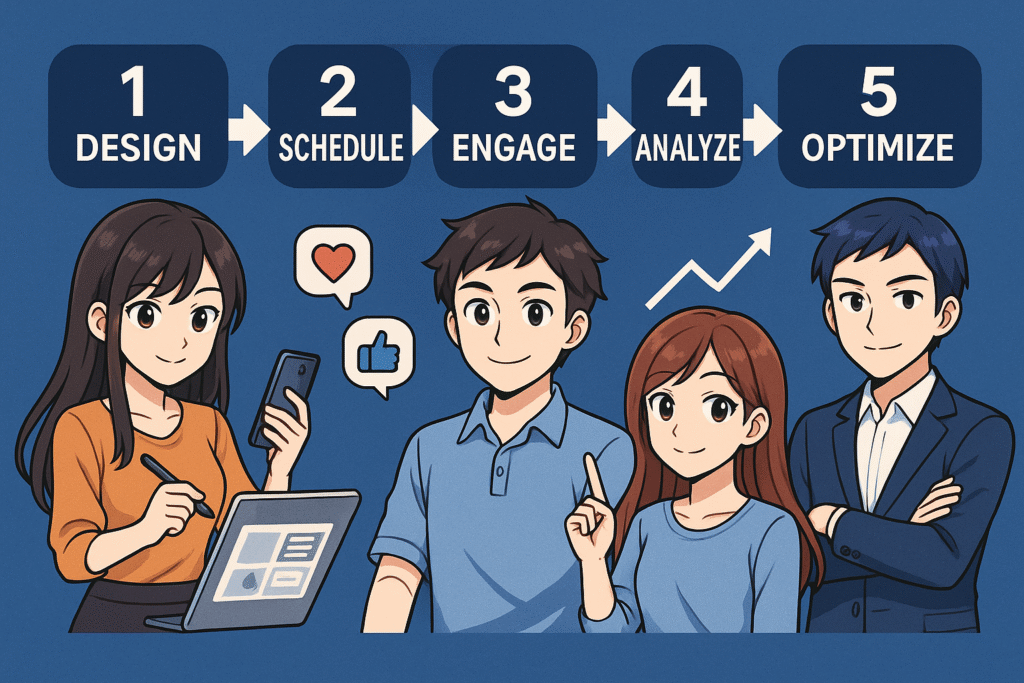
The combined workflow looks like this:
Design → Schedule → Engage → Analyze → Optimize.
“free social media optimization tools”
Repeat that cycle monthly, and your brand will see steady growth without paid ads.
Expert Tips to Master Social Media Optimization in 2025
- Prioritize Value over Volume — Posting five average graphics is less effective than one informative carousel.
- Repurpose Smartly — Turn a YouTube clip into an Instagram reel and a LinkedIn article snippet.
- Stay Updated on Platform Algorithms — Each quarter, social apps tweak visibility rules. Follow their creator blogs.
- Mix Long-form and Micro-content — The dual approach captures both scrollers and readers.
- Collaborate with Local Creators — In cities like Coimbatore, cross-tagging boosts regional reach.
The future of SMO is a hybrid part creative storytelling, part data discipline. Tools merely amplify the strategy you already built around your audience’s interests.
Conclusion — Turn Free Tools into Lasting Growth
Mastering social media optimization doesn’t require expensive software. The 11 free tools above cover every aspect of digital presence, from design and scheduling to analytics and ROI tracking. Use them strategically, measure your progress, and adapt every month.
When done right, your brand doesn’t just gain followers, it earns a community that trusts, engages, and buys.
So start today: pick three tools, map one week of posts, analyze the results, and refine. That’s how you grow organically, sustainably, and smartly through social media optimization.
FAQs — Social Media Optimization Tools Explained
Social media optimization (SMO) means improving your profiles, posts, and engagement strategies so your brand performs better on platforms like Instagram, LinkedIn, and X. It matters because strong optimization drives organic reach, builds trust, and reduces ad spend.
These tools simplify repetitive work such as scheduling, analytics, and content design. Using the right social media optimization tools lets you post consistently, track results, and make data-based improvements without hiring a full-time marketing team.
For most newcomers, Canva, Buffer, and Metricool are the easiest to start with. They combine design, scheduling, and performance tracking in one dashboard—ideal for freelancers and startups testing SMO strategies.
Yes. Social media marketing includes both paid and organic campaigns, while social media optimization focuses only on organic growth, tuning your profiles, captions, and timing to gain visibility without ads.
5. How often should I use SMO tools?
Log in daily for engagement checks and weekly for analytics. Consistency tells algorithms your account is active and reliable—one of the core principles of effective social media optimization.
6. Can I do SMO for free?
Absolutely. Most leading social media optimization tools offer free tiers. Combine Canva for visuals, Buffer for posting, and Google Analytics for tracking to run a complete organic strategy at zero cost.
7. What metrics should I track for better optimization?
Watch engagement rate, reach, click-throughs, and follower growth. These indicators reveal whether your content truly connects with your audience and help refine future posts.
8. Does SMO help SEO too?
Yes, optimized social profiles create backlinks, increase brand searches, and drive user signals that strengthen overall website ranking. Think of social media optimization as the social layer supporting your SEO foundation.
Social Media marketing services in Coimbatore
Other recommendations
Nikithaa Thanagopal | niksclub
Start optimizing today, because your next viral post is just one click away.